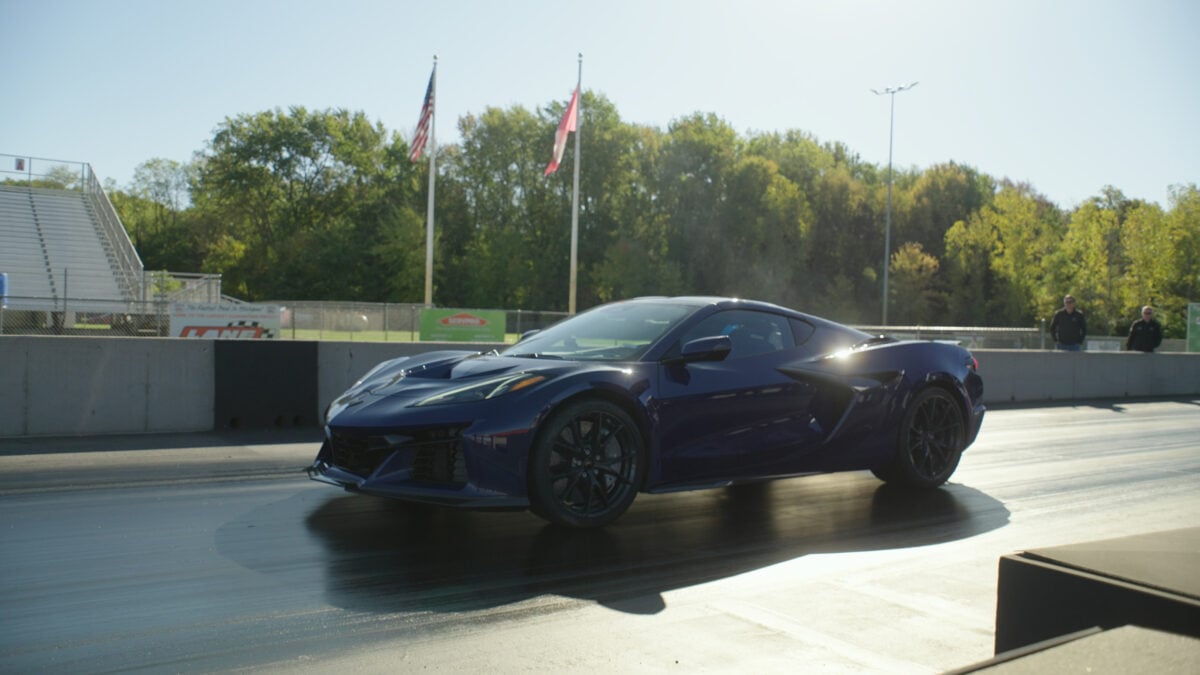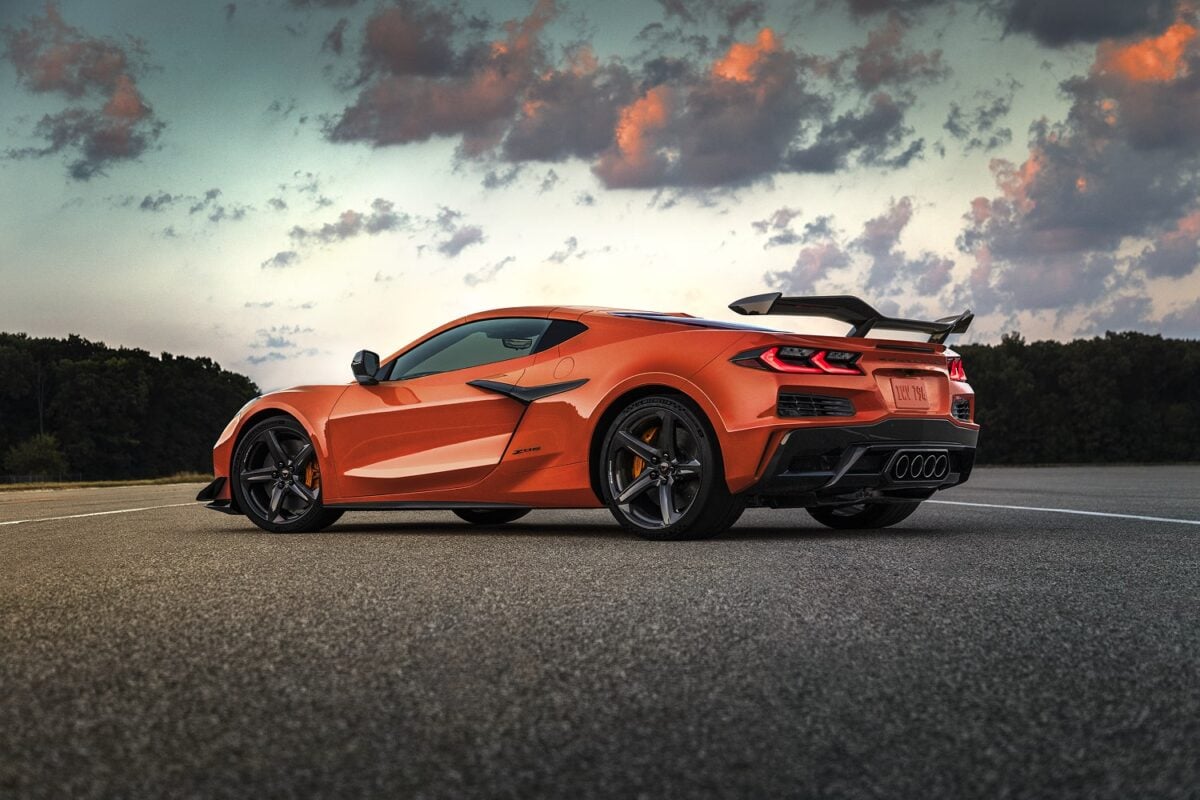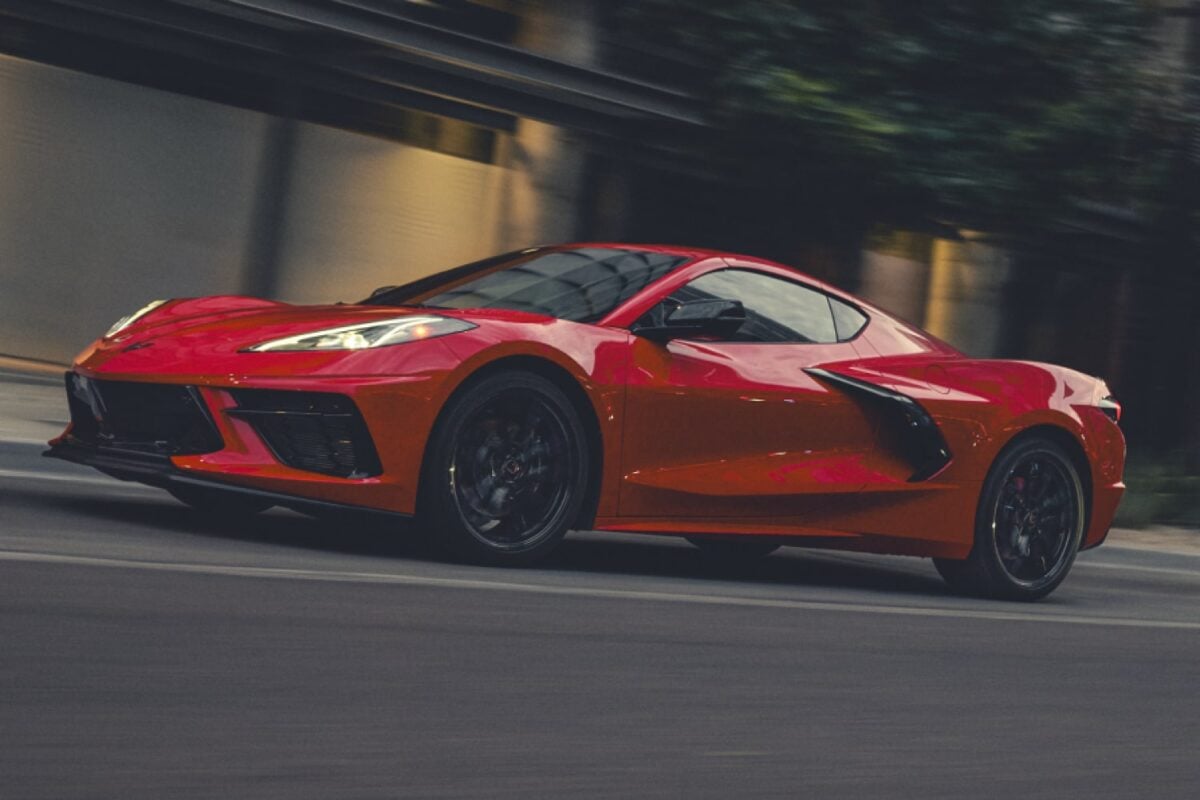
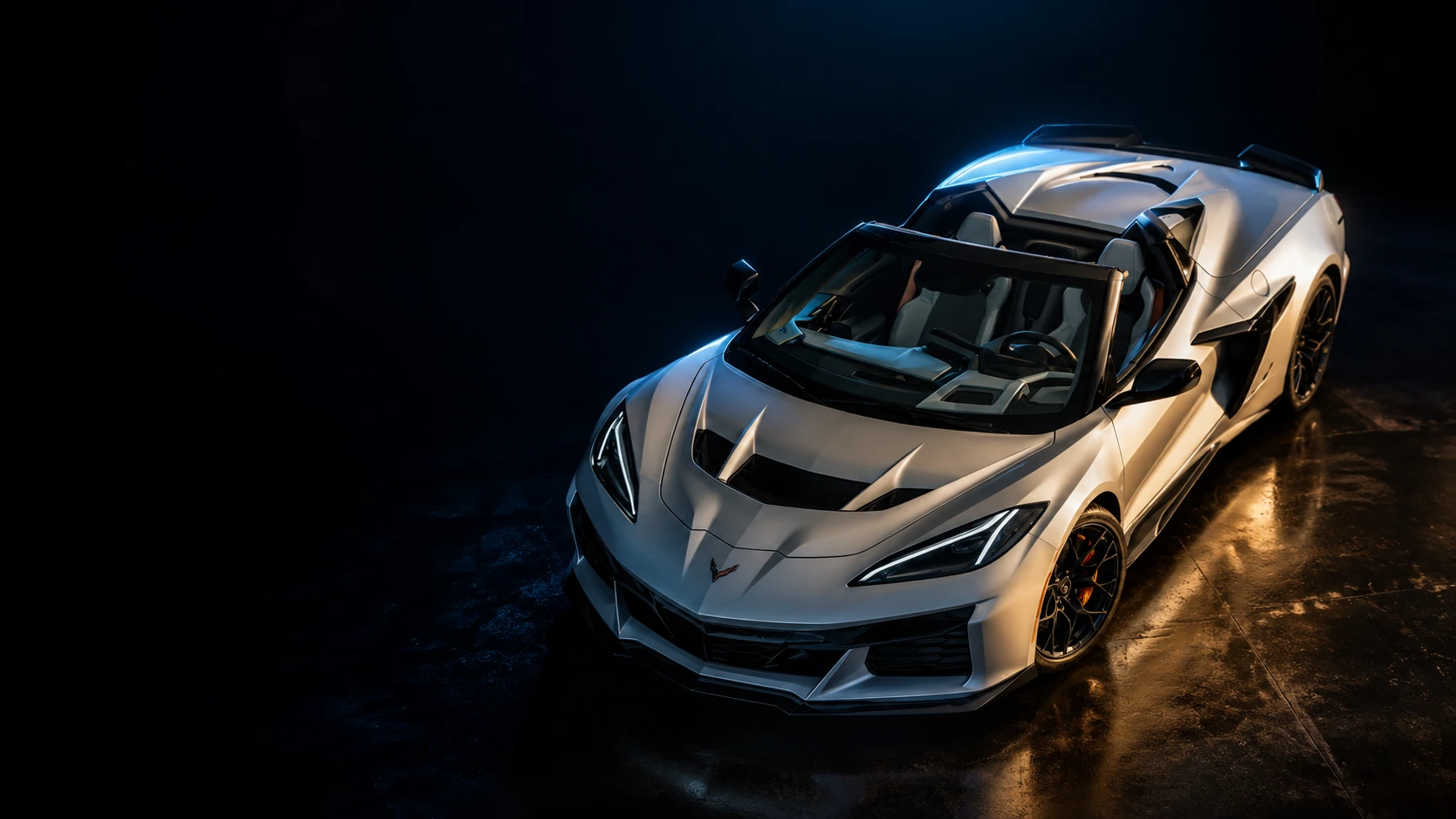
The 2025 C8 Corvette ZR1 is the most powerful production Corvette ever built — 1,064 horsepower, a twin-supercharged flat-plane crank V8, and a price tag that seems almost criminal for what you get. On paper, it’s the obvious answer to anyone asking what the greatest sports car in America looks like. But before you wire a deposit to your dealer, you need to watch the video below and read this honest C8 ZR1 review — because “most powerful” doesn’t always mean “right for you.”
There are real reasons why a car with 1,064 hp might not be the right buy — even for a diehard Corvette enthusiast. We’re going to walk through the actual ownership experience: the costs nobody talks about, the tire situation, the compromises the ZR1 forces you to make, and why some owners find the C8 Z06 to be a better fit for their real-world driving life. By the end, you’ll know exactly where you stand.
What You’re Actually Getting: C8 ZR1 Specs at a Glance
Let’s make sure everyone is on the same page before we get into the hard truth stuff. The ZR1’s credentials are genuinely staggering:
- Engine: 5.5-liter flat-plane crank LT7 V8 with twin superchargers
- Power: 1,064 horsepower / 828 lb-ft of torque
- Transmission: 8-speed dual-clutch (no manual option)
- Drive: Rear-wheel drive only
- 0–60 mph: 2.9 seconds (GM official)
- Quarter mile: ~10.1 seconds at 140+ mph
- Top speed: 215 mph
- Base price: ~$175,000 (before options, markup, and the Z07 package)
- Z07 package adds: Carbon ceramic brakes, Michelin Pilot Sport Cup 2 R tires, high-downforce aero
On those numbers alone, the ZR1 competes with — and beats — supercars costing two to three times as much. So why would anyone say “do not buy” this car? Because specs on paper and real ownership are very different conversations.
Reason #1: The Tire Cost Will Hurt Your Soul
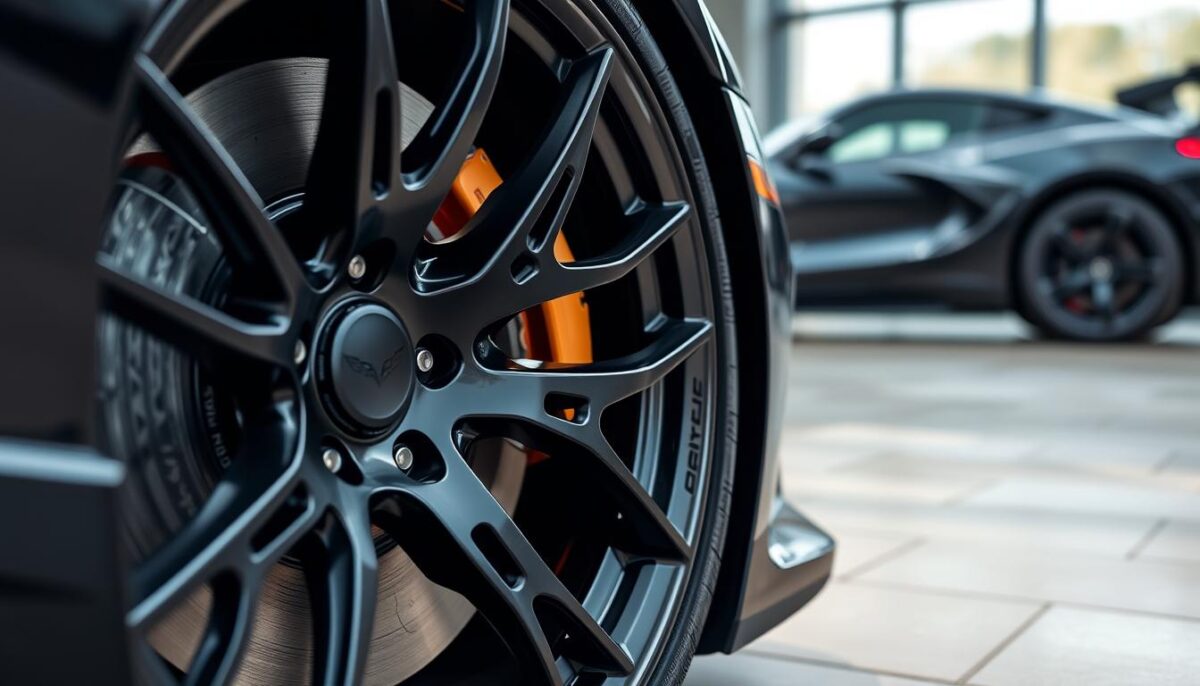
This is the one most ZR1 YouTube reviews gloss over. The C8 ZR1 — especially in Z07 spec — rides on Michelin Pilot Sport Cup 2 R tires. These are essentially street-legal track tires. They’re incredible. They’re also $600–$800 per corner, and they don’t last long — especially if you actually use the car the way it was intended.
Rear tires on a Cup 2 R–shod ZR1 can be worn through in as little as 4,000–6,000 miles of spirited driving. That’s a $2,500–$3,000 rear tire bill before you’ve even gotten to your first oil change interval. And if you do any track time? Budget for a fresh set every one to two track days depending on the circuit.
The base ZR1 on standard Michelin Pilot Sport 4S tires is more manageable, but you still need to budget realistically. We’ve got the full C8 ZR1 tire size breakdown if you want to know exactly what you’re committing to.
What This Means for Buyers
If you’re buying a ZR1 as a garage queen or occasional weekend car, tire costs are manageable. If you’re planning to daily drive it — or if you think you’ll resist the urge to use 1,064 horsepower — you’re lying to yourself, and your wallet will suffer accordingly.
Reason #2: 1,064 HP Is Almost Too Much for the Street
This sounds like the best problem in the world to have. And it is — until it isn’t.
Full-throttle in the ZR1 below 60 mph on anything but a perfectly dry road is a commitment. The car’s launch control and stability systems are excellent, but they can only do so much with 828 lb-ft of torque going through two rear tires. Early-morning damp roads, cold tires, highway on-ramps — these all become genuine exercises in restraint that the Z06 and even the Stingray don’t demand in the same way.
A lot of ZR1 owners — especially those who also own a Z06 — end up reaching for the Z06 keys more often for everyday driving. The Z06’s 670 hp is still genuinely fast (it’ll run with any production sports car made before 2020), but it gives you more margin for error and demands less white-knuckle attention at 7/10ths. The ZR1 asks you to be fully committed every time you get in it. That’s either the feature or the bug depending on who you are.
Check out our full breakdown of everything you need to know about the C8 Z06 if you’re weighing the two — because for a lot of people, the Z06 is the right answer.
Reason #3: The Market Markup Reality
The ZR1’s ~$175,000 base MSRP is already a stretch for most buyers. But here’s the uncomfortable truth about the current allocation market: dealer markups on early ZR1s have been savage. We’re talking $30,000 to $80,000 over sticker in some cases — which pushes all-in pricing on a loaded Z07 ZR1 past $350,000.
At that price, you’re now in Ferrari Roma and Porsche 911 Turbo S territory. The value equation that makes the ZR1 such a compelling proposition at MSRP starts to erode rapidly when you’re paying $100K over sticker. The Porsche doesn’t ask you to gamble with tire costs and doesn’t require the focus that 1,064 RWD horsepower demands.
Our advice: do not pay over MSRP. Wait for the market to normalize, build a relationship with a Chevy dealer, and get on an allocation list at sticker. The car will be in production long enough that patience pays off. Getting caught up in FOMO and overpaying significantly changes the calculus on whether this car “makes sense.”
Reason #4: It Has No Manual Gearbox — and That Matters to Some People
The C8 platform launched the ‘Vette into the supercar conversation by going mid-engine. It sacrificed the manual transmission to do it. The Z06 has no manual option. The ZR1 has no manual option. It’s DCT or nothing.
For pure performance, the 8-speed dual-clutch is the right call — it shifts faster than any human can, and it’s the reason the ZR1 launches so consistently. But if the act of driving is what you’re buying the car for — the feel of rowing through gears, the connection that a proper manual provides — the ZR1 won’t scratch that itch. The C7 Z06 with a manual is still out there, and it’s worth considering if the driving experience matters as much as the spec sheet.
Reason #5: Insurance and Running Costs Are Real
Annual insurance on a ZR1 — particularly for drivers under 40 — can run $5,000 to $12,000 per year depending on your location, driving record, and usage. Add in oil changes (the LT7 takes a specific formulation given its supercharged operation), the tire costs we already discussed, and potential track day consumables, and you’re looking at a car with a real cost of ownership that exceeds its sticker price by a meaningful margin every year.
None of this is unique to the ZR1 — any 1,000+ hp supercar carries these costs. But buyers who see “$175K” and think “I can swing that payment” often haven’t run the full ownership math. Do the math first. Then decide.
So Who Should Actually Buy the C8 ZR1?
Here’s the honest answer: the ZR1 is the right car for a specific buyer, not every enthusiast.
You should buy the ZR1 if:
- You already own a daily driver and this is purely a fun/weekend/track car
- You have genuine track experience and will use the ZR1’s performance on circuit, not just the street
- You can buy at MSRP or below and the running costs won’t cause you financial stress
- You’ve driven high-powered RWD cars before and respect what they demand
- The absolute pinnacle of what a production Corvette can be matters to you philosophically — you want the flagship, full stop
You should probably look at the Z06 or even the E-Ray if:
- This is your only sports car and you’ll drive it regularly in variable conditions
- You’re paying significantly over MSRP
- The driving experience and involvement matter more than peak output numbers
- Tire and running costs are a real constraint
The C8 Z06 genuinely does 95% of what the ZR1 does for significantly less money and with more real-world usability. That’s not a knock on the ZR1 — it’s a testament to how good the Z06 is.
And if you want the all-weather capability that makes a powerful C8 more liveable, the C8 E-Ray with its hybrid AWD system is a genuinely compelling option worth considering.
| C8 ZR1 | C8 Z06 | |
|---|---|---|
| Horsepower | 1,064 hp | 670 hp |
| Base Price | ~$175,000 | ~$110,000 |
| 0–60 mph | 2.9 sec | 2.9 sec |
| Quarter Mile | ~10.1 sec | ~10.6 sec |
| Daily Drivability | Demanding | Manageable |
| Tire Life (spirited) | 4,000–6,000 mi | 8,000–12,000 mi |
| Manual Available? | No | No |
| Best For | Track / Collector | Enthusiast Daily |
The Bottom Line: The ZR1 Is Incredible — but Know What You’re Getting Into
The C8 ZR1 is not a bad car. It might be the greatest value proposition in sports car history — at MSRP. It is absolutely, categorically, historically fast. It looks stunning. The LT7 engine is a work of engineering art.
But 1,064 horsepower in a rear-wheel-drive car is a conversation you need to have with yourself honestly before signing anything. The tire costs are real. The markup situation is real. The demand for your full attention every time you drive it is real. Go in with eyes open, and it can be a dream. Go in chasing a spec sheet and ignoring the practical realities, and you’ll be back on the dealer’s lot inside two years.
For answers to the most common questions about the full C8 lineup — specs, options, differences between trims — our C8 Corvette FAQ is the best place to start your research.
Frequently Asked Questions: C8 ZR1 Review
Is the C8 ZR1 worth buying?
At MSRP, the C8 ZR1 is one of the greatest performance values ever produced — 1,064 hp for ~$175K is extraordinary. Whether it’s worth it for you depends on how you’ll use it, whether you can handle the running costs, and whether you’re buying at a fair price. Paying $80K over sticker changes the calculus significantly.
What are the main problems with the C8 ZR1?
The C8 ZR1’s biggest real-world challenges are tire wear (especially in Z07 spec), dealer markup inflating transaction prices well above MSRP, the demands of managing 1,064 RWD horsepower in everyday conditions, and the absence of a manual transmission option.
How does the C8 ZR1 compare to the Z06?
The ZR1 is faster in a straight line by a significant margin (1,064 hp vs. 670 hp), and slightly faster on a track. The Z06 is more approachable in daily driving, available at a lower price, and for many drivers provides a more involving and engaging experience. Most enthusiasts who drive both regularly reach for the Z06 keys more often.
How much does a C8 ZR1 cost in reality?
The base MSRP is approximately $175,000. The Z07 package adds roughly $10,000–$15,000. Dealer markups in the early allocation period have pushed real transaction prices to $250,000–$350,000+ in some cases. Annual ownership costs including insurance, tires, and maintenance add $10,000–$20,000 per year on top of that.
Does the C8 ZR1 have a manual transmission?
No. The ZR1 — like the Z06 and all other C8 Corvettes — uses an 8-speed dual-clutch transmission exclusively. There is no manual option available on any C8 model.
What tires does the C8 ZR1 come on?
The base ZR1 rides on Michelin Pilot Sport 4S tires. The Z07 package upgrades to Michelin Pilot Sport Cup 2 R tires — near-slick performance rubber that dramatically improves grip but wears rapidly with hard use. Replacement costs are substantial.
How many miles per gallon does the C8 ZR1 get?
EPA estimates haven’t been officially published at time of writing, but real-world ZR1 fuel economy is expected to land around 13–15 mpg city / 20–22 mpg highway — similar to the Z06’s figures. Fuel costs are another ownership consideration worth factoring into the total cost picture.
What’s your take — is the ZR1 worth it, or is the Z06 the smarter buy? Drop your thoughts in the comments below. And if you found this review helpful, subscribe to C8 Corvette Blog for weekly ZR1 coverage, mod guides, and the most in-depth C8 content on the internet.